

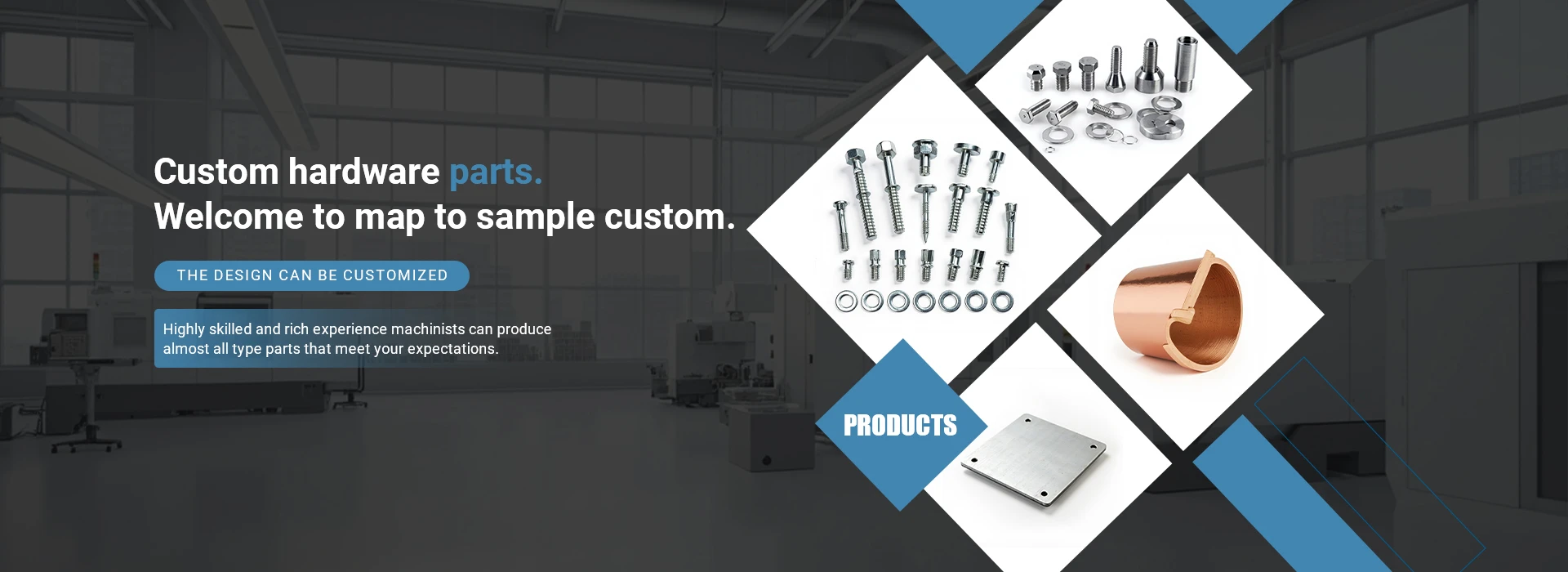


Brand Name: Xinyeda
Product name:Sheet Metal Stainless Steel Fabrication Tolerance: 0.01- +/-05mm
Materials Avaliable:Aluminum Plastic Metals Copper Brass Surface treatment:Painting\Powder Coating\Plating\Polishing Size: Customized Size
Process: Laser cutting, welding, bending, drilling, screwing Delivery Time: 7 days
More Details:
1. What Is Sheet Metal Fabrication?
Sheet metal fabrication transforms flat metal stock - cold-rolled steel (SPCC), stainless steel (304/316), aluminum (5052/6061), galvanized and electrolytic steel, typically 0.5–6 mm thick - into precision structural components through cutting, bending, forming, welding, and surface finishing.
Unlike CNC machining, which removes material from solid blocks, sheet metal work forms the sheet: high material utilization, light cost structure, and excellent
strength-to-weight ratio. Nearly every machine relies on sheet metal parts for protection, shielding, heat dissipation, and structural support - they are the skin and skeleton of the equipment.
2. The Complete Process Flow: Nine Steps, One
Chain
Incoming inspection → Laser cutting → CNC punching → CNC bending → Welding & assembly → Deburring & polishing → Surface finishing → Silkscreen / laser marking → Assembly & full-dimension inspection
1. Laser cutting - fiber laser cutting for blanks and complex openings with a 0.1–0.2 mm kerf, burr-free and tooling-free; the first choice for rapid prototyping
1. CNC punching - efficient for batch hole patterns, louvers, and countersinks
2. CNC bending - press brakes form the flat pattern step by step, with angle accuracy within ±0.5°
3. Welding - TIG, MIG, and spot welding with dedicated welding fixtures to control distortion
4. Deburring & polishing - edges softened and welds dressed for safe assembly and clean appearance
5. Surface finishing - powder coating, painting, anodizing, brushing, zinc plating, Dacromet
6. Marking - silkscreened logos and laser-etched model numbers and warnings
7. Assembly & inspection - trial fit to the drawing, with a full-dimension inspection report
The real know-how sits at the front end: flat-pattern development. A K-factor error of 0.1 can push the formed part out by an entire tolerance band. Experienced sheet metal engineers resolve bend sequence, minimum flange height, hole-to-bend
distance (typically ≥ 2.5 × thickness), and unfolding interference at the DFM stage - the same "solve it before the first cut" logic as precision machining.
3. Tolerances Are Wider - the Difficulty Is
Accumulation
General sheet metal tolerances run ±0.1–0.3 mm, looser than machining. The challenge is error accumulation: an enclosure with a dozen bends and dozens of holes goes wrong everywhere if one bend angle drifts by 0.5°. Mature fabrication systems hold precision with three disciplines:
· High-precision CNC press brakes with disciplined tool management (numbered, cataloged, regularly calibrated)
· Full-dimension first-article inspection plus trial assembly of critical hole patterns
· In-process checks between bending and welding to control springback and weld distortion
4. Product Families and Industries
|
Family |
Typical products |
Industries |
|
Enclosures & cabinets |
Server chassis, network subracks, control cabinets, consoles |
Data centers, telecom, industrial control |
|
Guards & structures |
Machine guards, frames, bases, airflow shrouds |
Automation, laser equipment |
|
New energy |
Power-electronics enclosures, battery structures, EV charger housings, energy-storage cabinets |
EV, charging, energy storage |
|
Commercial terminals |
Kiosk enclosures, ATM housings, medical device covers |
Finance, medical, retail |
|
Precision inserts |
EMI shields, heat-dissipation liners, mounting plates, cable brackets |
Electronics, telecom |
5. Trends: Fewer Hands, More Flexibility, One
Supplier
· Low-labor lines: laser cutting + automated bending + robotic welding are becoming standard, lifting both lead time and consistency
· Prototyping and volume on the same line: tooling-free laser cutting lets a 1-piece sample and a 10,000-piece run share identical processes
· Finishing capability as a selection criterion: customers increasingly prefer suppliers offering fabrication + powder coating + silkscreen + assembly in one flow, eliminating color and tolerance mismatches between vendors
· Machining + fabrication convergence: a machine's frame (sheet metal), enclosure (sheet metal), and precision functional parts (CNC) must match in tolerance and finish - suppliers providing both processes are replacing single-process shops
6. Why XINYEDA
1. Machining + fabrication under one roof - precision CNC and sheet metal lines run in the same factory: frames, enclosures, and precision functional parts delivered together, tolerance-matched, color-matched, and assembly-ready
2. DFM upfront - flat-pattern feasibility, bend sequence, minimum flange, hole clearances, and cost optimization within 24–48 hours
3. Precision with reports - full-dimension inspection of bend angles, hole positions, and flatness; reports shipped with goods; material sourced to the specified grade with traceable MTC and heat numbers
4. Systematic finishing management - powder coating, anodizing, brushing, silkscreen, and laser marking controlled to customer color standards with sealed samples
5. Supply-chain-grade validation - serving the supply chains of Volkswagen Group, BYD, Caterpillar, and UBTECH, familiar with automotive PPAP and international documentation requirements
Hot Tags: sheet metal stainless steel fabrication, China sheet metal stainless steel fabrication manufacturers