

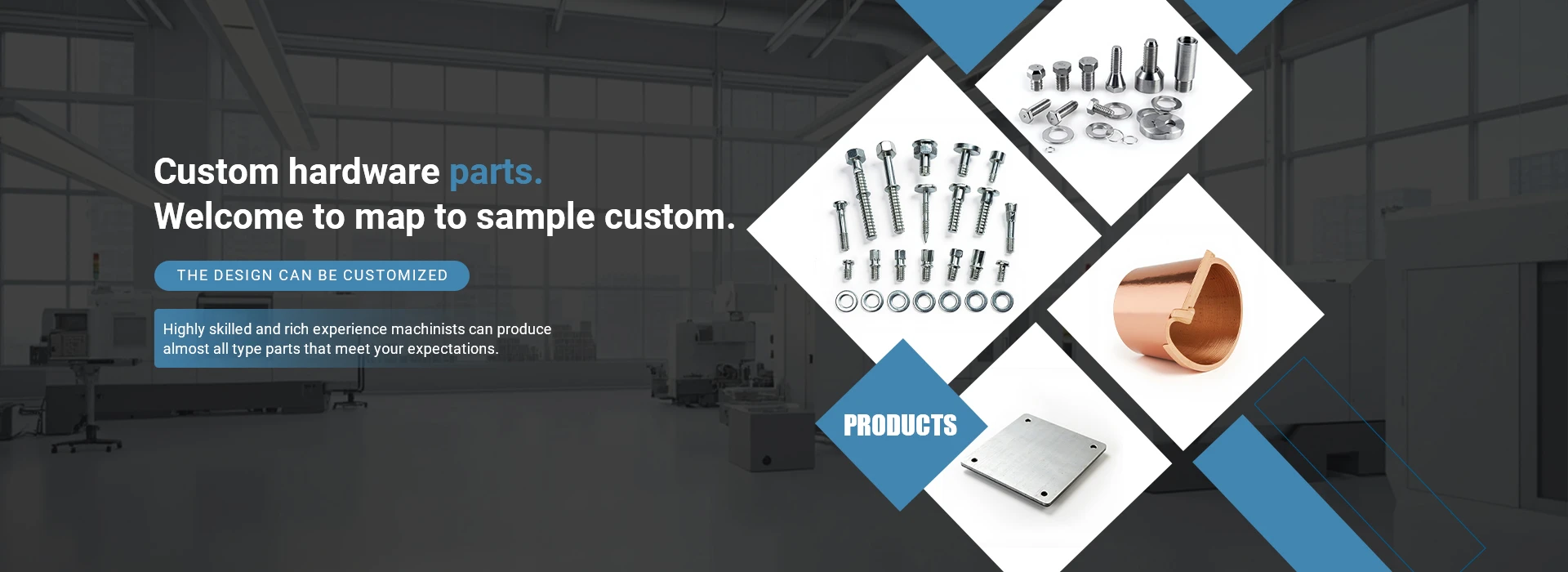
Free DFM Services
Get a professional Design for Manufacturability (DFM) review of your CAD files before investing in tooling or starting production. Our engineering team analyzes your design based on real manufacturing experience across CNC machining, sheet metal fabrication, die casting, and stamping, identifying potential issues such as structural weaknesses, tolerance risks, material selection concerns, and process limitations.
Our free DFM analysis helps optimize your design for better manufacturability, lower production costs, and improved part reliability. There is no minimum order requirement and no obligation to proceed. Simply submit your CAD files or technical drawings, and our engineers will provide detailed manufacturing feedback within 12 hours.


What We Check During a Free DFM Analysis
1. Design Geometry Review
We analyze your part design for:
- Complex features
- Difficult machining areas
- Sharp corners
- Thin walls
- Deep pockets
- Draft angles
- Assembly considerations
2. Tolerance Analysis
Our engineers review:
- Dimensional tolerances
- Critical features
- Fit and assembly requirements
Overly tight tolerances that may increase costs
3. Material Selection Review
We evaluate whether your selected material matches the application requirements, including:
- Strength
- Weight
- Temperature resistance
- Corrosion resistance
- Machinability
- Cost
4. Manufacturing Process Selection
Based on your design requirements, we recommend the most suitable process:
- CNC machining for precision metal and plastic parts
- Sheet metal fabrication for brackets and enclosures
- Die casting for high-volume metal components
- Injection molding for plastic production parts
- 3D printing for complex prototypes and low-volume production
5. Cost Optimization Suggestions
Our DFM feedback may include:
- Simplifying part geometry
- Reducing unnecessary tolerances
- Improving machining accessibility
- Optimizing material usage
- Reducing manufacturing steps

What Is Design for Manufacturing (DFM) and Why Is It Important?
Design for Manufacturing (DFM) is an engineering approach that optimizes part designs to make them easier, faster, and more cost-effective to manufacture. It involves reviewing a product's geometry, tolerances, materials, surface finishes, and production methods before manufacturing begins to ensure the design is practical for real-world processes such as CNC machining, injection molding, sheet metal fabrication, die casting, and stamping.
A design that looks correct in CAD software may still create manufacturing challenges, such as walls that are too thin, inaccessible machining features, unnecessary tight tolerances, or material choices that are difficult to process consistently. A DFM review identifies these potential issues early and provides recommendations to improve manufacturability, quality, and production efficiency.
The importance of DFM lies in preventing costly problems before they occur. Adjusting a CAD model during the design stage is quick and inexpensive, while fixing issues after tooling, prototypes, or production has started can lead to higher costs, delays, scrap parts, and redesign work. By applying DFM principles early, companies can reduce manufacturing risks, shorten lead times, lower production costs, and create parts that are optimized for reliable mass production.

What We Need From You
3D CAD files or 2D drawings
Existing part design or technical drawings
Target quantity / prototype or production stage
Material or application requirements if available
Any known manufacturing concerns
Our Review Process
Send your file across, get engineering feedback within 24 to 48 hours, then move directly into quotation or production with the revised design.

Submit Your Drawing
Upload your 3D CAD file (STEP, IGES, X_T, or native) or a dimensioned 2D drawing (PDF or DWG). Tell us the target process, quantity, material, and any critical features.
Engineering Review
Our manufacturing engineers walk through the design feature by feature and check it against the realities of CNC machining, sheet metal forming, casting, or stamping, depending on the process you specified.


Optimization Feedback
You receive a written report covering geometry risks, tolerance concerns, material recommendations, and finishing options. Where changes are needed we give specific suggestions, not vague flags.
Move to Quotation or Production
Once you accept the feedback and revise the design, or decide to keep it as drawn, we generate a formal quote. Approved orders move into prototyping in 3 to 7 days, with full production in 2 to 4 weeks.

Why Choose Xinyeda Solution
The DFM (Design for Manufacturing) review report you receive comes from engineers on our production floor. Their feedback is based on the actual operation of our presses, milling machines, and lathes. This production-level knowledge allows their feedback to uncover real problems, rather than simply pointing out obvious ones. Furthermore, our experienced engineering team will provide you with the most suitable processing solutions and the most appropriate pricing options based on your product design.
Production-Based Feedback
Every recommendation comes from engineers who run the same process daily. We have seen which features fail on the press and which tolerances actually hold on the mill, so the feedback you receive is what works on our floor, not what looks good on paper.
In-House Engineering Team
DFM reviews are handled by the same engineers who program your job for production. There is no handoff between the team that reviews your drawing and the team that builds the part, which keeps the feedback grounded and the quote accurate.
Diverse Manufacturing Processes
We run CNC milling and turning, Swiss-type lathes, press brakes, sheet metal stamping, die casting, injection molding, and 3D printing in-house. That breadth means we can recommend the right process for your part rather than forcing it onto whatever line we happen to have.
Prototyping to Production
Approved designs flow straight into manufacturing. Prototypes ship in 3 to 7 days and full production runs in 2 to 4 weeks, with the same engineering team carrying the part through every stage.