

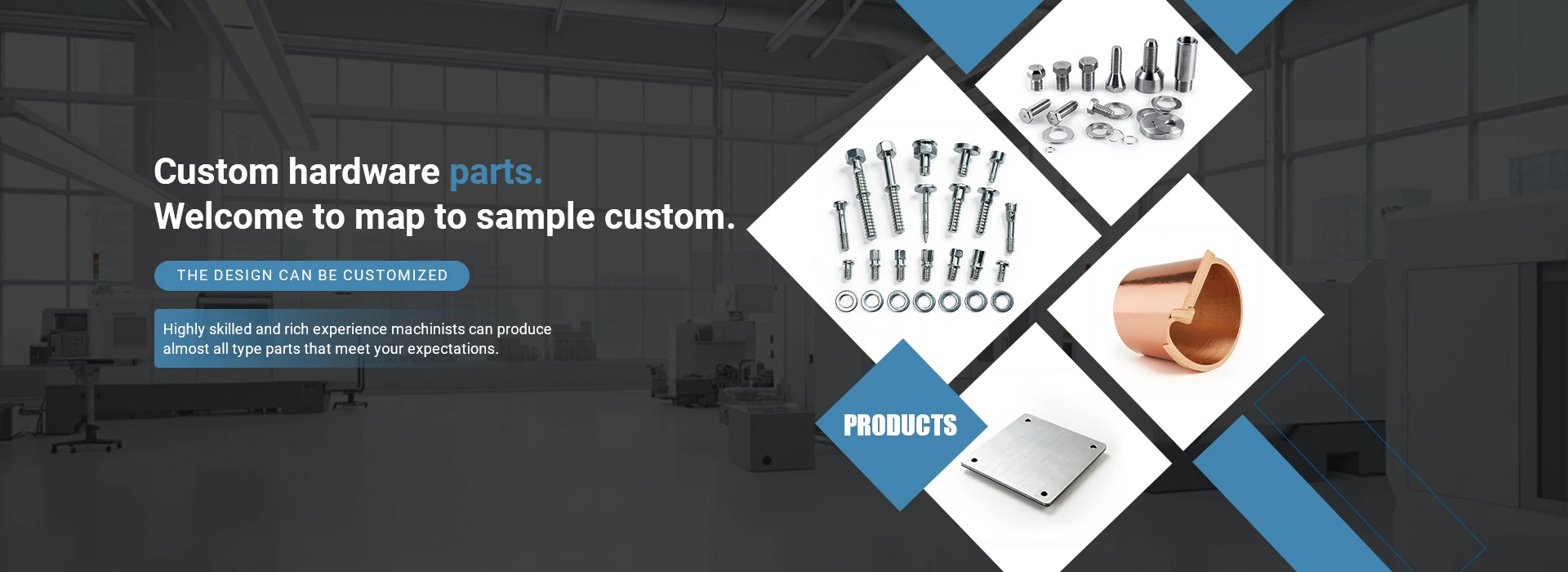
Customized Prototyping Service
Xinyeda converts your designs into functional prototypes within days, not weeks. Our in-house capabilities cover rapid CNC machining, sheet metal fabrication, 3D printing and injection molding. You can combine multiple processes in one project and scale from prototype to production with a single supplier.
•Fast turnaround: 3–7 days for prototypes, 2–4 weeks for production
•Certified: ISO 9001:2015, ISO 13485:2016, AS9100D
•Full-cycle technical support and project coordination


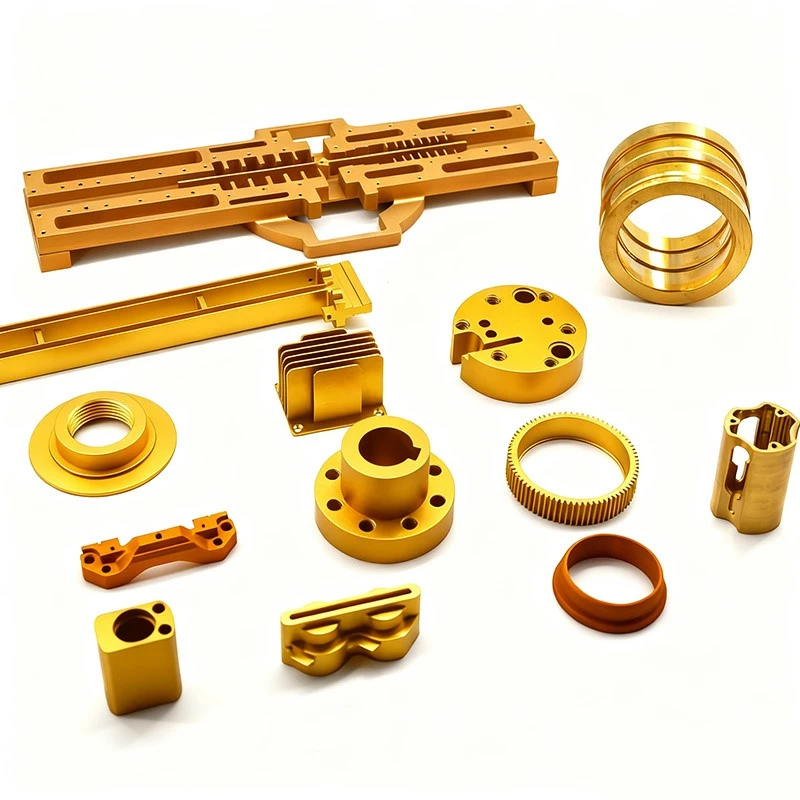
What Is Rapid Prototyping?
Rapid prototyping is a fast manufacturing approach used to create physical prototypes directly from digital CAD models before full-scale production. It allows engineers and designers to verify product appearance, dimensions, assembly performance, and functionality before investing in expensive tooling.
Unlike traditional manufacturing methods, rapid prototyping requires minimal setup and enables quick design iterations, making it ideal for product development, engineering validation, and low-volume production.

Why Use Rapid Prototyping?
Rapid prototyping provides physical parts prior to tooling and mass production. You can validate form, fit and function within assemblies, detect hidden geometric and tolerance problems invisible in CAD files, and demonstrate designs to stakeholders using physical samples instead of digital renders.
It reduces development lead times and overall risks. Iterative prototyping accelerates progress from concept to production-ready design. Issues are resolved at the CAD editing stage, avoiding expensive tooling modifications. Before mass production, geometry, materials and manufacturing processes are fully tested. All production starts with a verified, validated design.
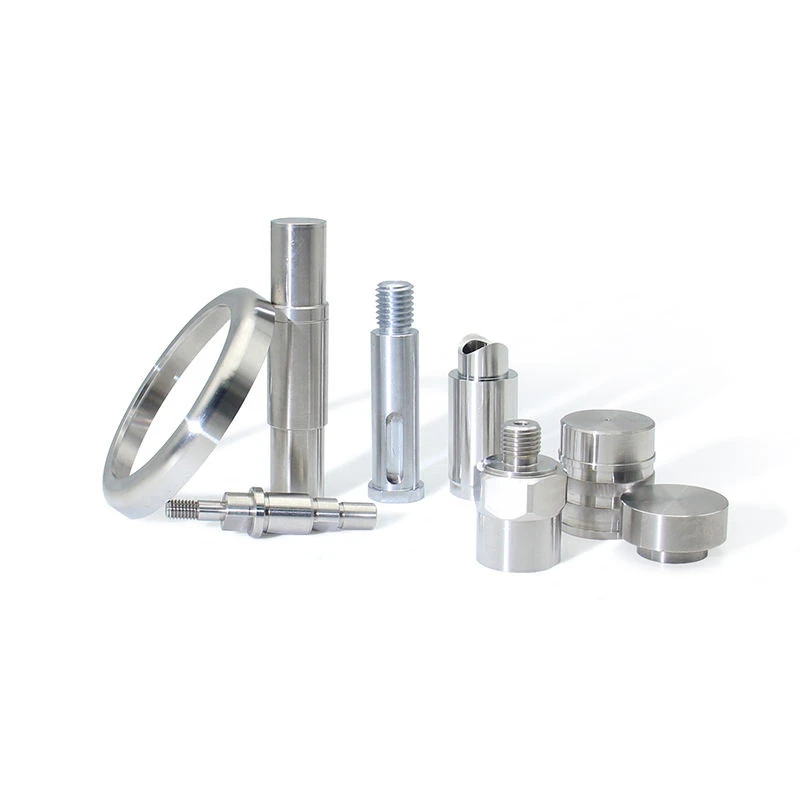
Machining
- Rapid CNC Machining Services
- Rapid Sheet Metal Fabrication Services
- Rapid 3D Printing Services
-
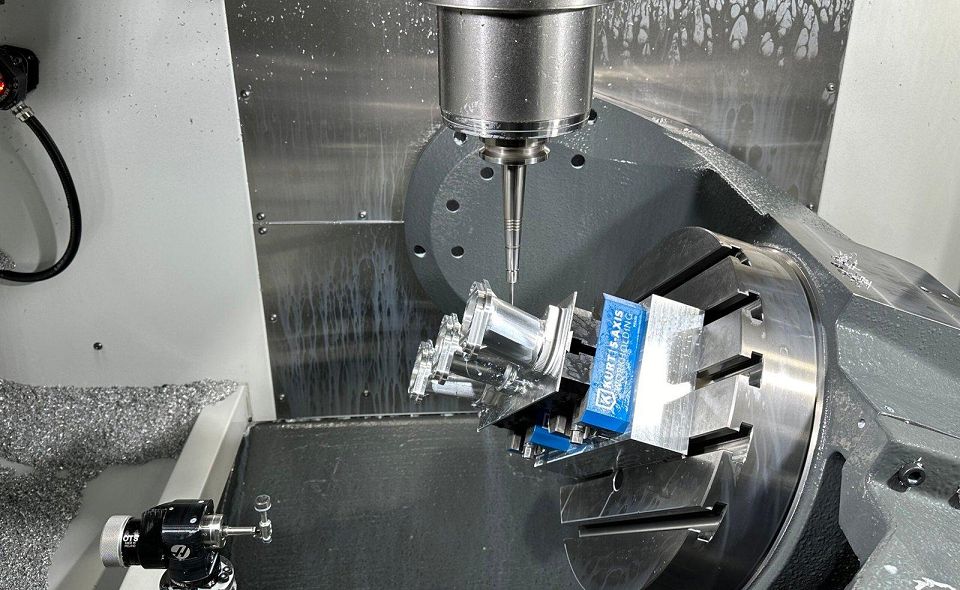 Rapid CNC Machining Services
Best for tight-tolerance functional prototypes that need to behave like the production part.
3-axis through 5-axis machining centers
Aluminum, stainless steel, brass, copper, titanium, and engineering plastics
Tolerances down to ±0.02 mm
Use for: functional testing, fit-up checks, bench validation
-
 Rapid Sheet Metal Fabrication Services
Best for enclosures, brackets, panels, and any prototype built from flat stock.
Laser cutting, punching, bending, welding, and finishing
Aluminum, stainless steel, mild steel, brass, and copper from 0.5 to 12 mm
Same forming and weld behavior as your production part
Use for: enclosures, brackets, chassis, sheet panels -
 Rapid 3D Printing Services
Best for visual concept models, complex internal geometry, and rapid design iteration.
FDM, SLA, SLS, MJF, and metal printing
PLA, ABS, PA, resin, and stainless steel
Geometry too complex to machine, or iteration speed over material strength
Use for: form-and-fit checks, concept models, low-cost early validation
Rapid Prototyping Materials
-
1.Aluminum Alloys
Type
Common Grades
Structural and Aerospace
6061-T6, 7075-T6, 2024-T4
Architectural and Extrusion
6063-T5, 5052-H32
Cast and Specialty
Cast Al 356, Al-Bronze
-
2.Steel Alloys
Type
Common Grades
Stainless Steel
303, 304, 316, 416, 17-4 PH
Tool and Alloy Steel
4140, 4340, A2, D2, H13
Carbon and Structural Steel
1018, 1045, Q235, Q345
-
3.Specialty Metals
Type
Common Grades
Titanium
Grade 2 (CP), Grade 5 (Ti-6Al-4V)
Specialty Metals
C36000, C26000, C28000, C11000, C12200
Nickel Superalloys
Inconel 718, Monel 400, Hastelloy C276
-
4.Engineering Plastics
Type
Common Grades
High-Performance
PEEK, PEI (ULTEM), PPS
Engineering Thermoplastics
POM (Delrin), Nylon (PA6, PA66), PC
Commodity and Sheet
PMMA (Acrylic), ABS, PVC, PP
Rapid Prototyping
All available surface finishes are chosen according to workpiece material, visual demands and functional specifications. We provide appropriate finishing options for parts used in bench testing, customer reviews and pre-production validation.
Description: Natural metal surface after manufacturing without additional coating.
Advantages: Low cost, simple processing
Typical: Applications General hardware, indoor applications
Description: Applies a thin zinc coating to steel fasteners for corrosion protection. Typical thickness: 5–25 μm.
Advantages: Good corrosion resistance, economical, decorative options
Typical: Applications Automotive, construction, general industrial fastening
Description: Fasteners are immersed in molten zinc to create a thicker protective layer.
Advantages: Excellent outdoor corrosion resistance, long service life
Typical: Applications Bridges, towers, marine structures, outdoor equipment
Description: Chemical conversion coating that creates a black protective surface layer.
Advantages: Improved appearance, reduced light reflection, minimal dimensional change
Typical: Applications Machinery, tools, precision fasteners
Description: Creates a porous phosphate layer that improves corrosion resistance and paint adhesion.
Advantages: Good lubrication retention, wear protection
Typical: Applications Automotive parts, industrial equipment
Description: Deposits a nickel layer on fasteners for corrosion resistance and appearance.
Advantages: Smooth finish, wear resistance, decorative appearance
Typical: Applications Electronics, automotive, decorative hardware
Description: Applies chromium coating for hardness and visual appearance.
Advantages: High wear resistance, excellent appearance
Typical: Applications Decorative components, high-wear applications
Description: Chemical treatment removes free iron and restores the chromium oxide layer.
Advantages: Improves corrosion resistance without changing dimensions
Typical: Applications Medical, aerospace, food equipmen
Description: Nickel coating deposited without electrical current for uniform coverage.
Advantages: Excellent corrosion resistance, consistent thickness
Typical: Applications Precision fasteners, chemical equipment
Description: Zinc and aluminum flake coating applied to steel fasteners.
Advantages: High corrosion resistance, heat resistance, no hydrogen embrittlement risk
Typical: Applications Automotive, aerospace, heavy equipment
Description: Fluoropolymer coating providing low friction and chemical resistance.
Advantages: Reduced friction, anti-seize properties
Typical: Applications Aerospace, oil & gas, high-performance applications
Description: Polymer coating applied electrostatically and cured by heat.
Advantages: Wide color selection, strong protection
Typical: Applications Structural fasteners, outdoor applications
Why Choose Xinyeda Solution for Rapid Prototyping
We execute prototyping following identical standards as our mass production workflows, utilizing the same production machinery, engineering team and rigorous quality control procedures.
This consistent manufacturing continuity is the reason clients partner with us from the initial prototype stage all the way through high-volume production. It also ensures uniform part performance once designs transition from prototyping to formal manufacturing.
Our Certifications


FAQs About Rapid Prototyping
-
1.Which Prototyping Process Should I Choose for My Part?
Choosing the right rapid prototyping process depends on what you need the prototype to validate, including design appearance, mechanical performance, material behavior, dimensional accuracy, or production readiness. CNC machining is ideal for functional prototypes that require production-grade materials, tight tolerances, load testing, or precise assembly verification. Sheet metal fabrication is the best option for parts that will ultimately be manufactured through laser cutting, bending, or welding processes. 3D printing is recommended for complex geometries, lightweight designs, and fast design iterations where speed and flexibility are critical. Injection molding is suitable for validating plastic part performance, mold design, shrinkage, and production feasibility before investing in full-scale tooling.
If you are unsure which prototype manufacturing method is right for your project, our engineering team can review your CAD files and recommend the most suitable solution based on part geometry, material requirements, production volume, and testing goals. Whether you need a visual prototype, functional prototype, or production validation sample, we help you select the most efficient and cost-effective manufacturing process.
-
2.What tolerances can rapid prototyping achieve?
Accuracy depends on the manufacturing process:
Process
Typical Tolerance
CNC Machining
±0.01–0.05 mm
SLA 3D Printing
±0.05–0.2 mm
SLS/MJF Printing
±0.1–0.3 mm
FDM Printing
±0.1–0.5 mm
Sheet Metal Fabrication
±0.05–0.2 mm
-
3.How Fast Can I Get a Prototype?
The lead time for a rapid prototype depends on the manufacturing process, material selection, part complexity, and finishing requirements. Most prototype orders can be completed and shipped within 3–7 business days after quote approval. 3D printed prototypes using standard materials are typically available within 1–3 days, making them ideal for fast design validation and early-stage testing. CNC machined prototypes and sheet metal parts usually require 3–7 business days for precision manufacturing, inspection, and finishing. Injection molded prototypes typically take 2–4 weeks because the process includes prototype mold fabrication, tooling validation, and production trials.
To accelerate your development cycle, we provide fast CAD file review and quotations within 24 hours after receiving your design files. For urgent projects, expedited manufacturing options are available, with full order tracking provided from production to delivery.
-
4.What Materials Do You Offer for Rapid Prototyping?
Our rapid prototyping services support a wide range of production-grade materials across CNC machining, sheet metal fabrication, 3D printing, and injection molding, allowing you to test prototypes using materials that closely match final production requirements.
CNC machining supports a broad selection of metals and engineering plastics, including aluminum alloys (6061, 7075, 2024), stainless steels (303, 304, 316, 17-4 PH), carbon steel, tool steel, titanium (Grade 2, Ti-6Al-4V), brass, copper, nickel-based superalloys, and plastics such as POM, PA (Nylon), PC, PEEK, and PMMA. Sheet metal fabrication is available in aluminum, stainless steel, mild steel, brass, and copper with thicknesses ranging from 0.5 mm to 12 mm. 3D printing materials include PLA, ABS, nylon, photopolymer resins, and metal powders such as stainless steel alloys. Injection molding supports production plastics including PA, PC, ABS, PP, POM, and TPU.
All materials are selected based on your application requirements, including strength, temperature resistance, chemical resistance, durability, and surface finish needs. Material certifications, mill certificates, and heat-lot traceability are available to ensure consistent quality and reliable prototype performance.
-
5.What Is the Difference Between Rapid Prototyping and Rapid Manufacturing?
Rapid prototyping and rapid manufacturing both use fast, flexible production technologies to shorten product development cycles, but they serve different purposes. Rapid prototyping focuses on creating sample parts for design validation, testing, and improvement before mass production. It is typically used to evaluate product appearance, fit, function, and performance through processes such as 3D printing, CNC machining, sheet metal fabrication, and vacuum casting. Rapid manufacturing, on the other hand, focuses on producing final-use parts or low-volume production batches quickly using manufacturing-ready processes and materials, such as CNC machining, MJF/SLS 3D printing, injection molding, and metal additive manufacturing.
The key difference is the goal of production: rapid prototyping helps engineers prove and refine a design, while rapid manufacturing delivers functional end-use components without the long lead times associated with traditional production methods. Choosing between the two depends on your project stage, required quantity, material requirements, and whether the parts are intended for testing or actual use.
-
6.Is there a minimum order quantity for prototypes?
No. We run single-piece prototypes through the same machining centers as production batches of 100,000 or more parts. The same QC standards apply at every quantity.
For low-volume bridge runs between prototype and full production, we typically run 1 to 10,000 parts on aluminum prototype tooling for injection molding, or unlimited counts on CNC and sheet metal lines.