


Product Parameters
| Item | Specification |
|---|---|
| Material | Stainless Steel (304, 316, 316L, 17-4 PH) |
| Casting Method | Investment Casting (Lost Wax), Shell Mold |
| Tolerance | ±0.05 mm per 25 mm |
| Surface | As-cast, electropolished, passivated |
| Application | Food processing, medical, marine, chemical processing |
| MOQ | 10 pcs |
description
Precision stainless steel castings produce complex geometries with good surface finish and dimensional accuracy - investment casting (lost wax) creates smooth as-cast surfaces that require minimal machining, and can produce thin-walled sections that would be impossible to machine. The result is a near-net-shape stainless component at a lower cost than CNC machining from bar. 304 stainless is the most common austenitic stainless for general corrosion resistance. 316 adds molybdenum for chloride resistance - the standard for marine and food processing with salt exposure. 316L is the low-carbon version for weld-heavy components. 17-4 PH precipitation-hardened stainless provides higher strength with good corrosion resistance.
Why Investment Casting Beats CNC for Complex Shapes
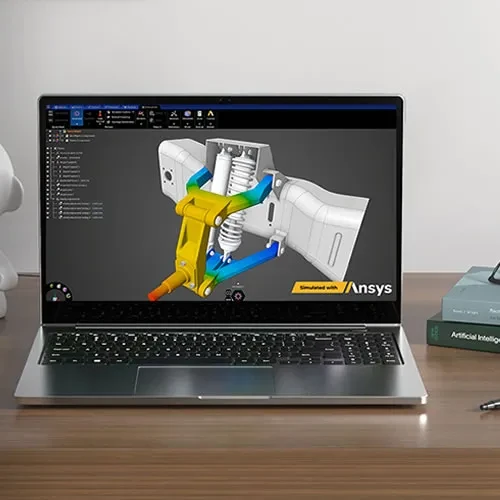
A shape with undercuts, internal cavities, and complex contours is expensive to CNC machine because the tool has to reach every surface. Investment casting produces those same shapes at the cost of the mold, not the machining time. For stainless components with complex geometry, investment casting is typically 40-60% cheaper than machining from bar stock.

FAQ
Q1: MOQ?
A1: 10 pieces for investment cast stainless components.
Q2: Materials?
A2: 304, 316, 316L austenitic stainless. 17-4 PH precipitation-hardened.
Q3: Tolerances?
A3: ±0.05 mm per 25 mm - tighter than sand casting.
Q4: Surface finish?
A4: Investment cast surface is smooth. Electropolishing and passivation available.
Q5: Wall thickness possible?
A5: 1.5 mm minimum depending on geometry.
Q6: Custom configurations?
A6: Yes. Complex geometries, internal passages, custom chemistries.
Quality is non-negotiable in precision manufacturing. Every component undergoes rigorous inspection at each stage of production.
- ISO 13485 - Full FDA compliance support; quality management system for medical device components
- ISO 11607 / FDA 21 CFR 820 - Packaging and sterilization validation for implantable and surgical devices
- ASTM F136 / F67 - Material specification compliance for implant-grade titanium and stainless
- First Article Inspection (FAI) - Full dimensional and functional report for every medical component
- CMM Inspection - Coordinate measuring for complex geometries and tight tolerances
- Surface Roughness Measurement - Ra, Rz, and Rt charting with every inspection report
- Passivation / Electropolishing - ASTM A967 procedures for corrosion resistance
- Material Traceability - Heat number tracking from raw material to finished part
From raw material to finished product, every step is controlled and documented:
- Pattern Making - Wooden or metal pattern fabrication for sand/centrifugal/investment casting
- Molding - Sand casting, shell mold, centrifugal, or lost-wax investment casting setup
- Melting & Pouring - Controlled furnace melting with chemistry and temperature monitoring
- Solidification & Shakeout - Controlled cooling with riser/removal and core shakeout
- Heat Treatment - Annealing, normalizing, or solution treatment per specification
- Machining - CNC machining, drilling, and tapping to final dimensions
- Surface Treatment - Grinding, welding, or coating as required
- Inspection & Testing - Dimensional, visual, hydrostatic, or NDT inspection
- Cleaning & Packaging - Sand removal, degreasing, rust prevention, and packaging
Hot Tags: precision ss castings, China precision ss castings manufacturers, A360 Aluminum Castings, Die Cast Aluminum, precision castings, Super Alloy Castings, Titanium Alloy Castings